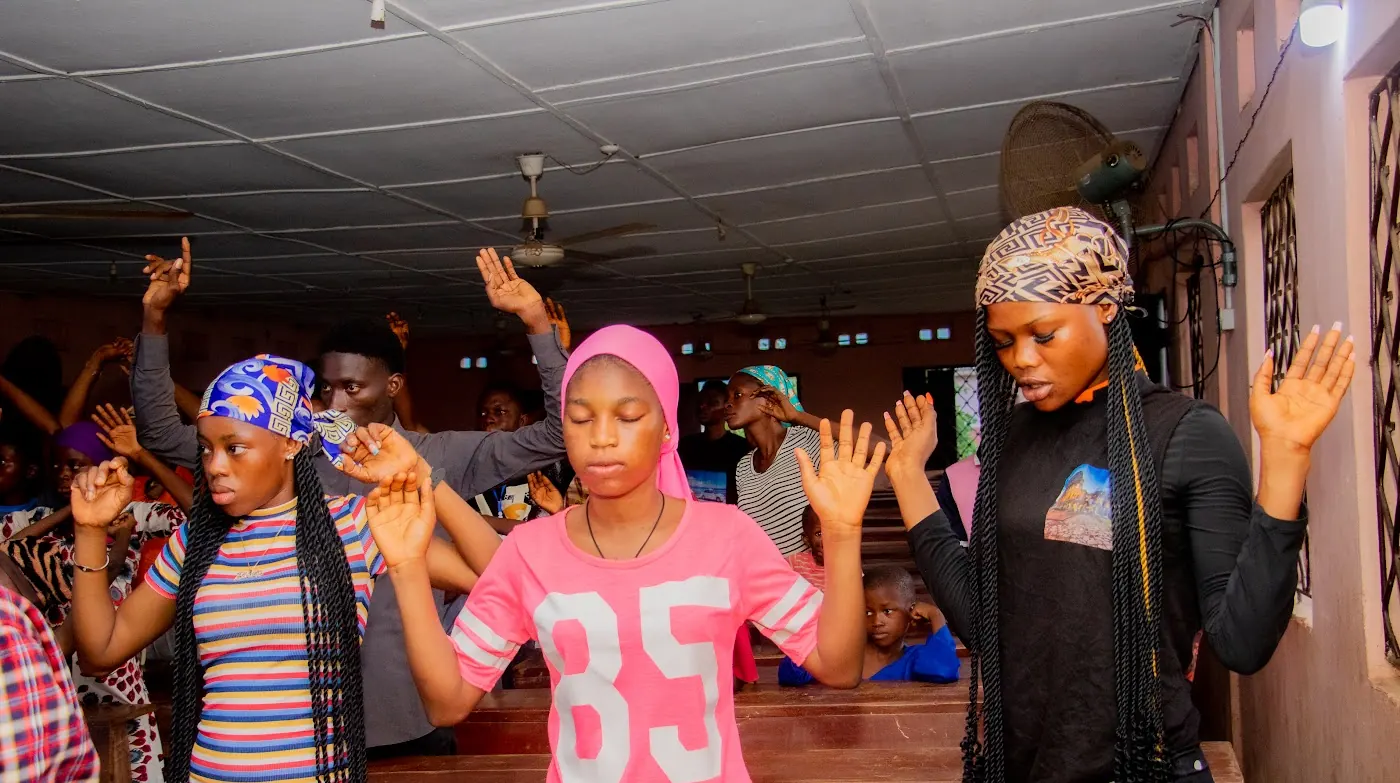
"The manifestation of the sons of God" (Romans 8:19) means the unveiling of God's redeemed children for who they truly are. We are sons now through Christ and the Spirit, we are being shaped into His likeness, and creation itself is waiting for the day that sonship is fully revealed. It is a call to live as sons today.
There are verses in the Bible that you read quickly the first time and then spend years learning to read slowly. Romans 8:19 is one of them: "For the earnest expectation of the creature waiteth for the manifestation of the sons of God."
At first it sounds almost cosmic and distant, the kind of line you admire from afar. But look again. Paul says that the entire created world, every river, every field, every groaning corner of the earth, is leaning forward in eager expectation. For what? Not for a new government or a scientific breakthrough. It is waiting for you, if you belong to Christ. It is waiting for the sons of God to be revealed.
This article walks through that verse slowly: its setting in Romans 8, the meaning of the key words, what it means to be a son of God, what "manifestation" does and does not mean, and how to live as a son today. It is the first in a four-part series on four themes drawn from Scripture, followed by Come Up Hither, At the Scent of Water and New Wine.
The setting: Romans 8 from the top
A verse should never be read in isolation, and Romans 8 has a mountain-range quality: each peak leads to the next.
It begins with a declaration: "There is therefore now no condemnation to them which are in Christ Jesus" (Romans 8:1). Paul has spent seven chapters explaining how sinful humanity is declared righteous through faith. Now he turns to what life looks like after justification: life in the Spirit.
He says the Spirit sets us free from the law of sin and death (8:2), empowers us to live to please God (8:4-13), and then he arrives at the heart of the chapter: "For as many as are led by the Spirit of God, they are the sons of God" (8:14).
From there, verse by verse, the horizon widens:
- Verses 14-17: our identity. We are sons and daughters, adopted, crying "Abba, Father," heirs of God and co-heirs with Christ.
- Verses 18-25: our destiny. Present sufferings are not worth comparing with coming glory, and all creation is waiting for the unveiling of that glory.
- Verses 26-30: our help. The Spirit intercedes for us, and God works all things together for good, shaping us to be like His Son.
- Verses 31-39: our security. Nothing, in all creation, can separate us from the love of God in Christ Jesus.
So when Paul writes of "the manifestation of the sons of God" in verse 19, he is standing at the midpoint of one of the great passages of Scripture. Identity has just been established; glory is about to be described. Verse 19 is the bridge.
What the words mean
"Manifestation"
The Greek word is apokalupsis, from which we get "apocalypse." It means an uncovering, an unveiling, a revealing. It is the same word used for the revelation of Jesus Christ in Revelation 1:1. When something is manifested, it is not created at that moment; it is made visible. A statue unveiled at a ceremony was already there under the cloth.
So "the manifestation of the sons of God" is about what is already true becoming openly visible. It is not that believers become sons on that day. They already are. The day reveals it.
"The earnest expectation"
The Greek word apokaradokia is a vivid one. It pictures someone craning their neck, head stretched forward, scanning the horizon for someone they are waiting for. Creation is not casually waiting. It is straining to see.
"Sons"
The Greek here is huioi, "sons," rather than the more general word for children (tekna). In the Roman world, a huios was a son who had come of age and held full legal standing in the family, with a share in the inheritance. Paul uses it to emphasise rights and inheritance, not gender. In Galatians he spells it out: "For ye are all the children of God by faith in Christ Jesus... There is neither Jew nor Greek, there is neither bond nor free, there is neither male nor female: for ye are all one in Christ Jesus" (Galatians 3:26-28). Every believer, man or woman, is a "son" in the sense of being a fully recognised heir.
"The creature"
The word ktisis means "creation": the created order as a whole. Paul is not speaking only of humanity, but of the natural world, groaning "in pain together until now" (Romans 8:22). The earth, in his picture, is tied to us.
Why creation waits for us
To see why creation waits for the sons of God, go back to Genesis. When Adam and Eve sinned, God said to Adam, "cursed is the ground for thy sake" (Genesis 3:17). Creation was drawn into the consequences of human rebellion. Paul takes up the story: "For the creature was made subject to vanity, not willingly, but by reason of him who hath subjected the same in hope, Because the creature itself also shall be delivered from the bondage of corruption into the glorious liberty of the children of God" (Romans 8:20-21).
Read that carefully. Creation was subjected "in hope." Its present frustration is not the end of its story. Its freedom is tied to the glorious liberty of the children of God. The fall of humanity dragged creation into decay; the redemption and glorification of humanity will lift creation into renewal.
This tells us something beautiful about God's plan. Salvation is not an escape pod for souls while the world burns. It is the beginning of the repair of everything. Peter looks forward to "new heavens and a new earth, wherein dwelleth righteousness" (2 Peter 3:13). The sons of God are the pivot of that renewal.
It also gives believers a different relationship with the world. If creation waits for the revealing of God's children, then how we live, how we steward land, treat people and handle resources, is not unrelated to our faith. Sons of God are meant to be people through whom the world gets a preview of the restoration to come.
Two truths held together: already and not yet
Here is where many sincere readers go astray, either by under-reading or over-reading the verse. The New Testament consistently holds two things together.
Already: we are sons now
"Beloved, now are we the sons of God" (1 John 3:2). Sonship is not something we earn at the end; it is something we receive at the start. "But as many as received him, to them gave he power to become the sons of God, even to them that believe on his name" (John 1:12). Paul says that the Spirit within us cries "Abba, Father," and testifies "that we are the children of God" (Romans 8:15-16).
This is the foundation of Christian identity. You do not have to prove yourself to the Father to be His child. If you are in Christ, the status has been settled by grace. For how that new life begins, read our article on what it means to be born again.
Not yet: the full unveiling is coming
John continues in the same verse: "and it doth not yet appear what we shall be: but we know that, when he shall appear, we shall be like him; for we shall see him as he is." Paul says that although we have "the firstfruits of the Spirit," we ourselves "groan within ourselves, waiting for the adoption, to wit, the redemption of our body" (Romans 8:23). And in Colossians: "When Christ, who is our life, shall appear, then shall ye also appear with him in glory" (Colossians 3:4).
Our present lives have glimpses of that glory, but we still live with weakness, mortality and struggle. The full manifestation awaits the return of Christ and the resurrection.
The tension between already and not yet is the shape of the Christian life. We are sons, and we are still being shaped. We carry glory, and we still groan. We live between the first instalment and the full payment.
What the manifestation looks like now
If the complete unveiling is future, does verse 19 have anything to say to us today? It does. The Bible indicates that the family likeness is meant to become visible progressively. Paul says that "we all, with open face beholding as in a glass the glory of the Lord, are changed into the same image from glory to glory, even as by the Spirit of the Lord" (2 Corinthians 3:18). And God's purpose is "to be conformed to the image of his Son, that he might be the firstborn among many brethren" (Romans 8:29).
So there is a daily manifestation: the Father's character showing up in His children. Consider the marks the Bible gives.
1. Led by the Spirit
"For as many as are led by the Spirit of God, they are the sons of God" (Romans 8:14). A son is not a self-directed free agent but someone who follows the Father's lead. That leading shows up as guidance, conviction, peace, restraint, and the desire to obey Scripture, since the Spirit never contradicts the Word He inspired.
2. Free from fear
"For ye have not received the spirit of bondage again to fear; but ye have received the Spirit of adoption, whereby we cry, Abba, Father" (Romans 8:15). "Abba" is the intimate Aramaic word a child uses for his father. Sons of God do not approach Him as a cold master. They live with a settled confidence that they are loved, and that confidence changes how they face failure, uncertainty and criticism.
3. Shining in a dark place
Paul writes that believers are "the sons of God, without rebuke, in the midst of a crooked and perverse nation, among whom ye shine as lights in the world" (Philippians 2:15). Jesus said, "Let your light so shine before men, that they may see your good works, and glorify your Father which is in heaven" (Matthew 5:16). The manifestation of sons is not loud claims about ourselves; it is good, visible, Christ-like lives that make people think of the Father.
4. Peacemaking and mercy
"Blessed are the peacemakers: for they shall be called the children of God" (Matthew 5:9). Jesus also said that loving our enemies shows we are "the children of your Father which is in heaven" (Matthew 5:44-45). A son resembles his Father in generosity of heart.
5. Suffering with hope
Paul does not skip the hard part: "heirs of God, and joint-heirs with Christ; if so be that we suffer with him, that we may be also glorified together. For I reckon that the sufferings of this present time are not worthy to be compared with the glory which shall be revealed in us" (Romans 8:17-18). Sonship does not exempt us from pain, but it changes its meaning. The sufferings of sons are not pointless; they are the road to glory, which Christ Himself travelled.
Common misunderstandings
Because this theme speaks of glory, it needs careful handling. A few cautions will keep it healthy.
It is not about a spiritual elite. The Bible never describes a special class of super-believers who are "the" sons of God while others are ordinary. Every believer is a son (Romans 8:14; Galatians 3:26). Sonship is as wide as faith in Christ.
It is not self-promotion. The word "manifestation" speaks of an unveiling by God, not a campaign by us. Peter warns elders against "being lords over God's heritage, but being ensamples to the flock" (1 Peter 5:3). The mark of a true son is humility. Jesus, the Son of God, "made himself of no reputation" and "took upon him the form of a servant" (Philippians 2:7).
It is not earned. We do not become sons by achievement. "In whom also we have obtained an inheritance" (Ephesians 1:11). It is a gift received, not a prize won.
It is not an escape from the cross. The sequence in Romans 8 is suffering and glory together, not glory instead of suffering.
It does not replace Christ. Everything in the passage points to Jesus: we are co-heirs with Him, conformed to His image, loved in Him. The sons are revealed because the Son came first. Hebrews says that God, "in bringing many sons unto glory," made "the captain of their salvation perfect through sufferings" (Hebrews 2:10).
Why this matters for ordinary people
You may be reading this as a student wondering about your future, a worker tired of being overlooked, a parent in a hard season, or someone who feels spiritually small. What does the manifestation of the sons of God have to do with you?
It tells you who you are. Identity is the foundation of everything. If you think you are a failure, you will live like one. If you know you are a son or daughter of the Most High, loved and led by His Spirit, you can walk through life differently.
It tells you where you are going. You are not just surviving; you are heading toward a revealing. The sufferings of the present are real, but "the glory which shall be revealed in us" outweighs them.
It tells you that your life matters beyond yourself. Creation itself is waiting. That means your faithful, ordinary obedience is part of a story bigger than your own comfort.
It tells you how to live now. If sonship is real, then act like a son: honest, generous, hopeful, and clean-handed in a world that cuts corners.
Practical ways to live as a son today
- Start with Abba. Begin your day by speaking to God as Father. Say aloud, "Father, I am Yours." Let that sentence settle the noise of the morning.
- Be led by the Spirit. Pray before decisions, listen, and then test impressions against Scripture. If you are unsure how to pray, read our guide on praying when you don't know what to say.
- Let the Word shape your identity. Write out verses about who you are in Christ (John 1:12; Romans 8:15-17; Galatians 4:6-7; 1 John 3:1) and read them until they replace the labels others have put on you.
- Choose Christlike character in small things. Tell the truth, keep promises, forgive quickly. Manifestation is built in ordinary moments.
- Serve. Sons of the Father share His heart for the lost and broken. Look for one person this week who needs your help.
- Hold suffering with hope. When hardship comes, say, "This is not the end of the story." Romans 8:28 and 8:38-39 are good verses to memorise.
- Stay in fellowship. Sons belong to a family. Being part of a local church keeps you encouraged, accountable and growing.
Reflection questions
- What labels have I believed about myself that contradict what God says about His children?
- In what areas of my life do I still relate to God as a distant master instead of a Father?
- Where do I see the Father's character beginning to show up in me? Where do I need to grow?
- What difficult situation could I view differently in light of Romans 8:17-18?
A closing note
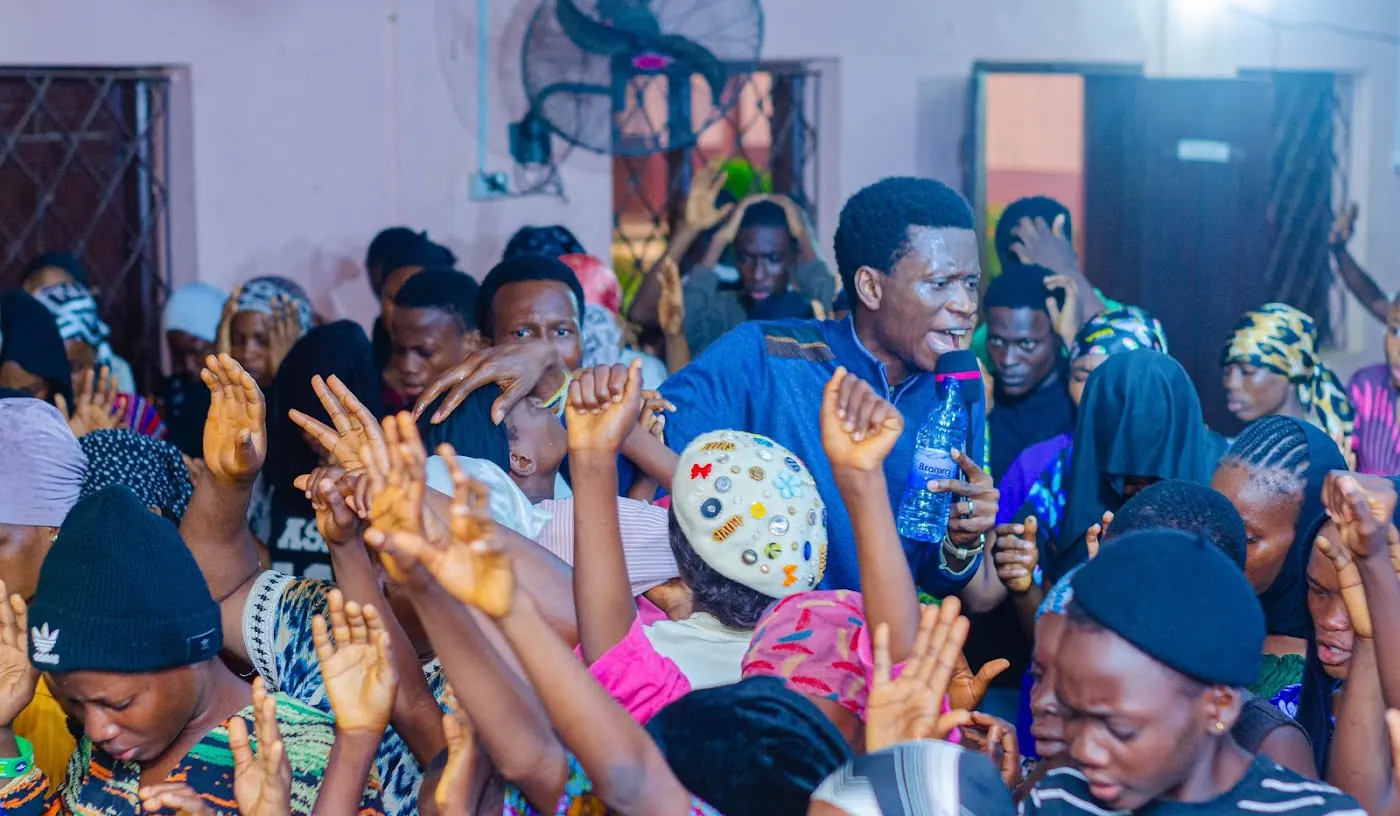
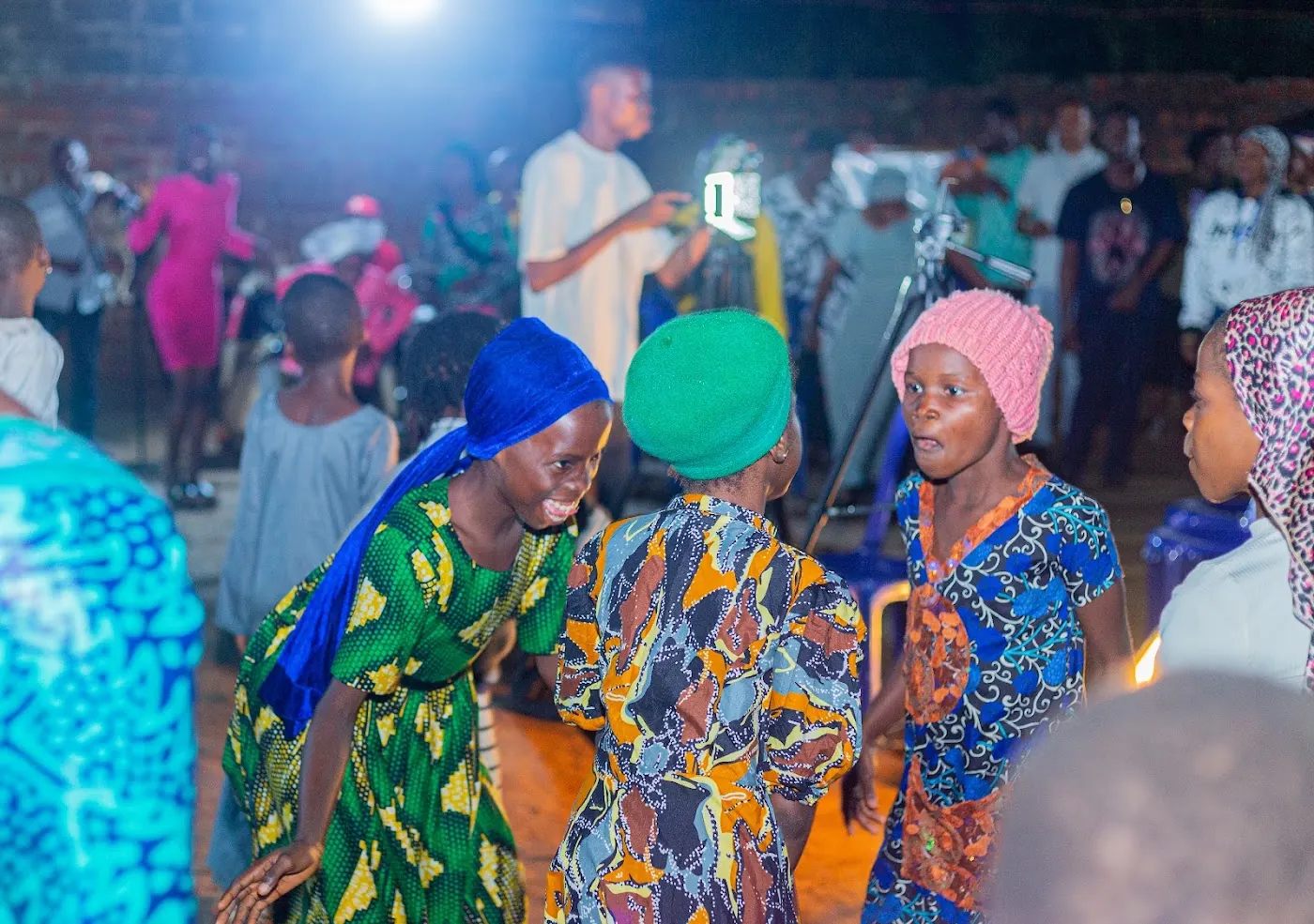
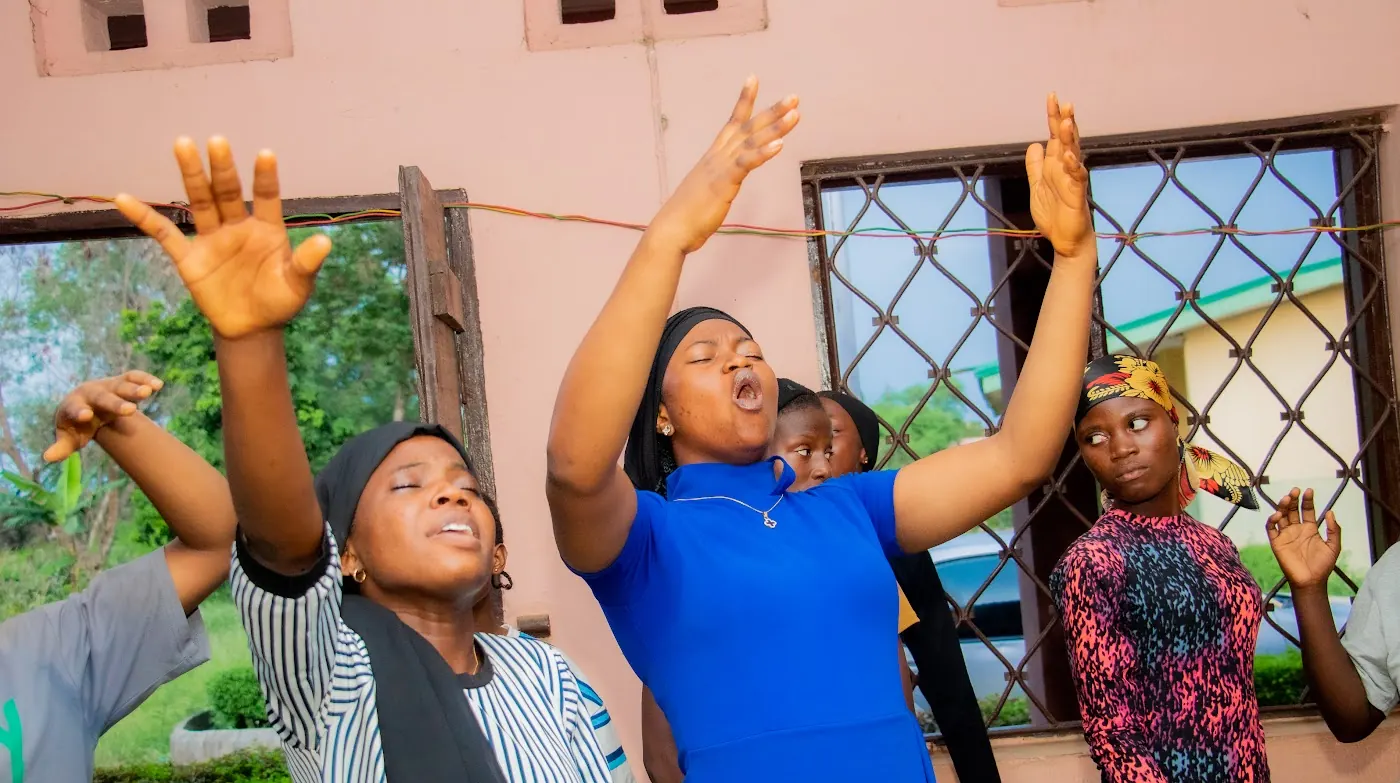
"The manifestation of the sons of God" was the theme of the first Worship & Word Conference, held in May 2023 at Gateway ICT Polytechnic, Saapade Annex Campus, Aiyepe Ijebu. The truth behind it, though, belongs to every believer in every place. Continue the series with Come Up Hither, and if you are near Aiyepe, you are welcome to worship with us on Sunday at 8:00 AM. You can plan your visit or contact us.
A prayer
Father, thank You that, in Christ, I am Your child. Thank You for the Spirit of adoption who cries "Abba" within me. Free me from the fear and shame that make me live like an orphan. Lead me by Your Spirit, shape me into the likeness of Your Son, and let my life be a small preview of the glory You will one day reveal. Hold me in suffering, and keep me humble in blessing. I give You thanks, in the name of Jesus Christ, Amen.
Frequently asked questions
What does "the manifestation of the sons of God" mean?
In Romans 8:19, "manifestation" translates the Greek word apokalupsis, meaning an unveiling or revealing. It refers to the day when God's children are openly revealed for who they are in Christ, and the whole creation, groaning under the effects of sin, is set free. Believers are sons now, but the full unveiling is still ahead.
Who are the sons of God?
According to Romans 8:14, "as many as are led by the Spirit of God, they are the sons of God." Sonship comes through faith in Jesus Christ (John 1:12; Galatians 3:26), not through birth, status or achievement, and it applies to women and men alike.
Does the manifestation of the sons of God happen now or in the future?
Both. Believers are already God's sons (1 John 3:2) and are meant to display His character now, but the complete revealing, including the redemption of our bodies, comes when Christ returns (Romans 8:23; Colossians 3:4).
Why is creation waiting for the sons of God?
Paul teaches that creation was subjected to futility because of human sin and will be "delivered from the bondage of corruption into the glorious liberty of the children of God" (Romans 8:20-21). The redemption of God's children and the renewal of creation belong together.
How can I live as a son of God today?
Be led by the Spirit, speak to God as Father, let Scripture shape your identity, show Christ-like character, and trust the Father through suffering, knowing that glory is promised.